
Newsletter
Welcome to our August 2026 newsletter

BMSB Season Starts Again on 1 September
With the new Brown Marmorated Stink Bug (BMSB) season fast approaching, we’d like to remind customers that Australia’s seasonal BMSB measures will apply again from 1 September 2026 through to 30 April 2027.
BMSB is a significant biosecurity risk to Australia, and certain goods manufactured in or shipped from designated risk countries are subject to additional inspection and treatment requirements during the season.
Depending on the type of cargo and how it is shipped, goods may require mandatory treatment or inspection before they can be cleared into Australia. In particular, target high-risk goods shipped as break bulk, flat racks, open-top containers or other special equipment will require mandatory treatment offshore prior to departure.
We will be sending a separate BMSB newsletter shortly with further details on the requirements for the 2026/27 season, including the relevant countries, cargo types and treatment requirements.
If you are planning shipments from affected countries during the BMSB season, we recommend allowing sufficient time for any required treatment and documentation to be arranged prior to shipment.
Weather Disruptions Causing Delays from China
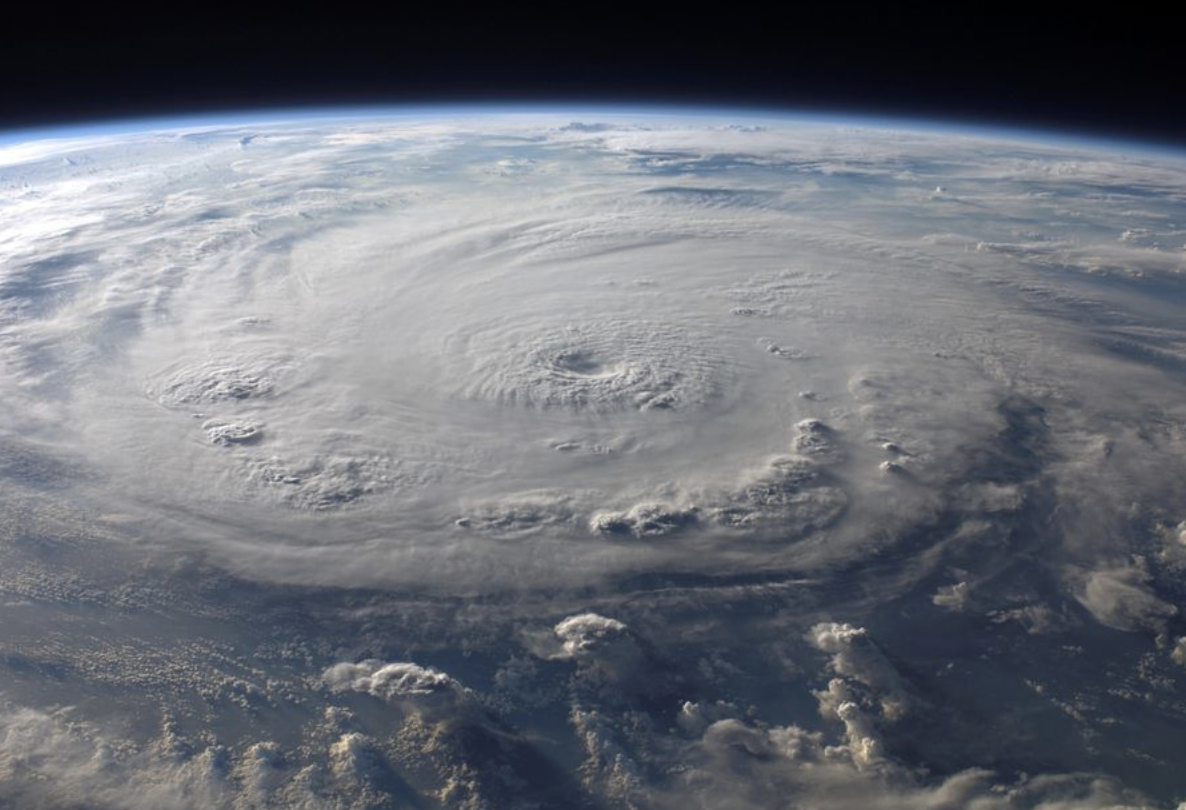
Weather conditions across China have been creating further disruption to international shipping services in recent weeks, with a number of typhoons and severe weather systems affecting major ports and transport networks.
The latest weather event, Typhoon Dolphin, has impacted eastern China, including the Shanghai and Ningbo regions, which are two of the most important export gateways for cargo moving to Australia. Port and terminal operations have been affected, while heavy rain and flooding have also disrupted local transport and logistics networks.
This follows several other significant weather events across Asia during July, which have already caused congestion and vessel delays at a number of major Chinese ports. Reports indicate that the disruption has resulted in vessels waiting longer for berths, changes to scheduled port calls and, in some cases, shipping lines omitting certain ports as they work to clear the backlog.
What does this mean for shipments to Australia & New Zealand?
The immediate impact is likely to be delays to vessel schedules and longer transit times for some shipments departing China. Even after port operations return to normal, it can take several days for the backlog of vessels and containers to work its way through the system.
There may also be flow-on effects to Australian and NZ services, particularly where vessels arrive late into their subsequent ports or where shipping lines need to adjust their schedules to recover lost time.
At this stage, the situation remains fluid and individual shipments may be affected differently depending on their origin port, shipping line and sailing schedule.
We recommend allowing some additional time for shipments moving from China over the coming weeks, particularly from the Shanghai, Ningbo and other affected regions. Our team will continue to monitor the situation and keep customers updated where their shipments are directly affected.
China-Australia Freight Rates Continue to Fluctuate
Container Freight Rates Remain Volatile
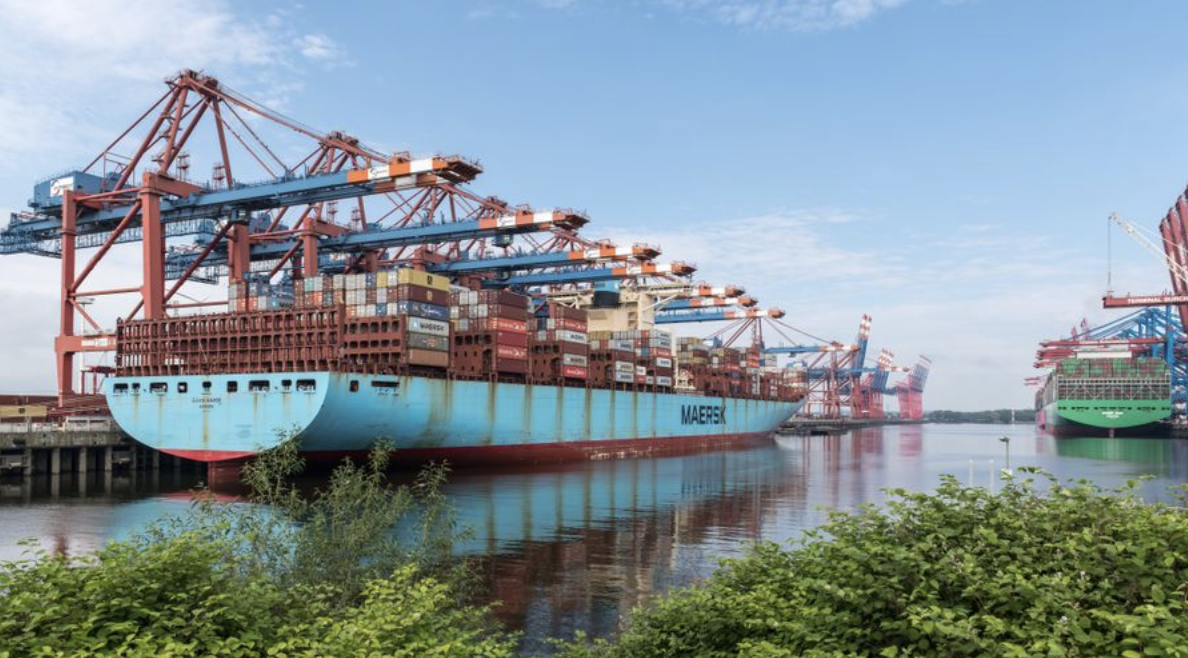
Container freight rates from China to Australia and New Zealand have been moving considerably over recent months, with prices continuing to fluctuate as shipping lines adjust capacity and respond to changing demand.
Earlier this year, we saw significant increases in freight rates on the China–Australia trade as demand strengthened and shipping lines reduced available capacity. More recently, rates have softened slightly from their recent highs, but the market remains unsettled and prices can change quite quickly from one week to the next.
One of the main factors behind the volatility is the way shipping lines are managing vessel capacity. Blank sailings, where scheduled services are cancelled or adjusted, are being used to control available space and maintain a balance between supply and demand. These changes can have an immediate impact on both freight rates and the availability of space on particular sailings.
We are also seeing the usual seasonal increase in demand as we move towards the second half of the year, while ongoing port congestion and weather-related disruption in China can further affect vessel schedules and available capacity.
We will continue to keep a close eye on the China–Australia/NZ trade and provide updates as market conditions change.
25 Years with CFL
Celebrating 25 years of Dedication
We’re very proud to recently celebrate a significant milestone with two long-standing members of the CFL team – Carla Rock and Matt Croaker, who have both reached 25 years with Commercial Freight & Logistics.
Reaching 25 years with the same company is a fantastic achievement, and we feel very fortunate to have such loyal and dedicated people as part of our team.
Carla joined CFL in April 2001, starting in our Brisbane office. Over the past 25 years, she has played an important role in the growth of our business and is now responsible for our National Accounts team, where her experience and knowledge are invaluable.
Matt joined us in March 2001, shortly after leaving school, and has spent nearly his entire working career with CFL. He has worked his way through various roles over the years and is now our National Brokerage Manager, leading an important part of our national operations.
Both Carla and Matt have made an enormous contribution to CFL over the past 25 years. Their commitment, knowledge and loyalty are a great reflection of the people who make our company what it is today.
Congratulations Carla and Matt on this fantastic achievement. We’re extremely proud to have you both as part of the CFL team and very grateful that you’ve chosen to spend the past 25 years with us.
Here’s to the next chapter!


.svg)
.svg)

